A deep pool of scientific, technical and commercial talent.
Within a 60-minute drive of the cluster’s major hubs, employers can access six leading universities and a substantial pool of experienced technical talent.
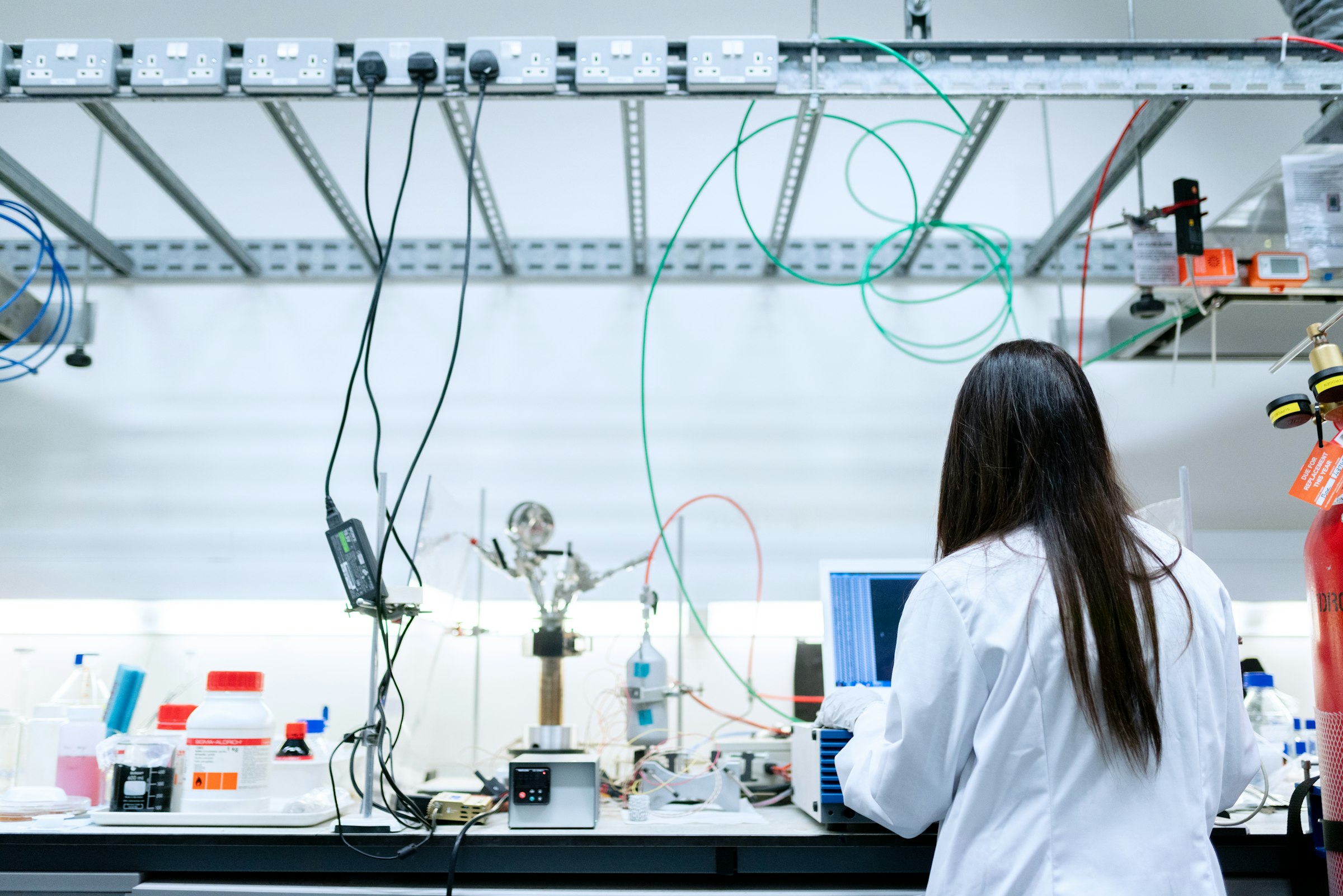
 Experienced people
People who know how to turn science into products.
The region has medicinal and analytical chemists, formulation scientists, clinical research teams, GMP operators, engineers, medtech engineers, quality specialists and regulatory experts.
Together they create a comprehensive ecosystem for innovation and scaling.
A retention gap, not a talent gap.
The East Midlands has the lowest graduate retention of any UK region: 40.1%, against a UK average of 58.1%. This reflects insufficient regional employment opportunities in life sciences disciplines, not weak talent supply.
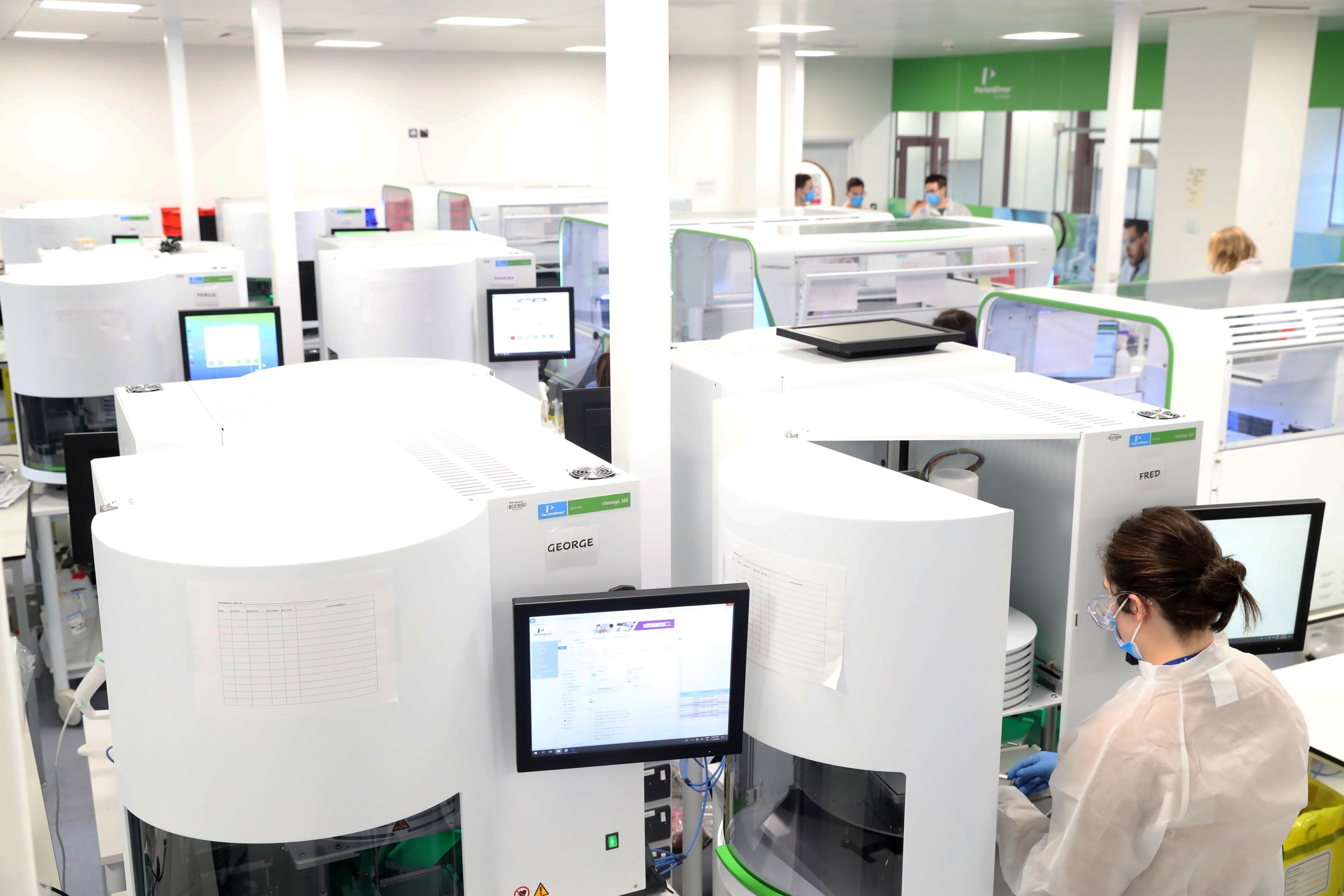 Careers
Breadth of career options keeps people here.
Career progression in regional life sciences follows standard industry pathways. Senior salaries trail the Golden Triangle by approximately 5–10%.
The breadth of options, moving between university research, CRO work, clinical trials, manufacturing and regulatory roles, often provides greater retention value than absolute salary. It enables continuous development without relocating.
University strengthsSix universities, each with distinct strengths.
University of Nottingham
Precision medicine, drug discovery, chemistry, MRI and advanced imaging, the Biodiscovery Institute and NIHR Nottingham BRC.
Nottingham Trent University
Medical technologies, device development, MTIF and the EMERGE rehabilitation technology programme.
University of Leicester
Precision health, genomics, cardiovascular and respiratory disease, diabetes, cancer and NIHR Leicester BRC.
Loughborough University
Bioengineering, biomechanics, rehabilitation, human performance and sport and exercise science.
De Montfort University
Pharmaceutical technologies, Quality by Design, digital CMC and regulatory science.
University of Derby
Bioscience, omics and applied research connected to healthcare, engineering and manufacturing.