At the centre of the UK. Connected to everywhere.
The East Midlands connects Nottingham, Leicester, Loughborough and Derby with national markets, patient populations and supply chains.
Midlands Airport at the centre
 Commercially competitive
The region combines specialist laboratories, serviced development land, advanced manufacturing infrastructure and more competitive operating conditions than many Greater South East locations.
This creates room for companies to establish, expand and manufacture without leaving the ecosystem.
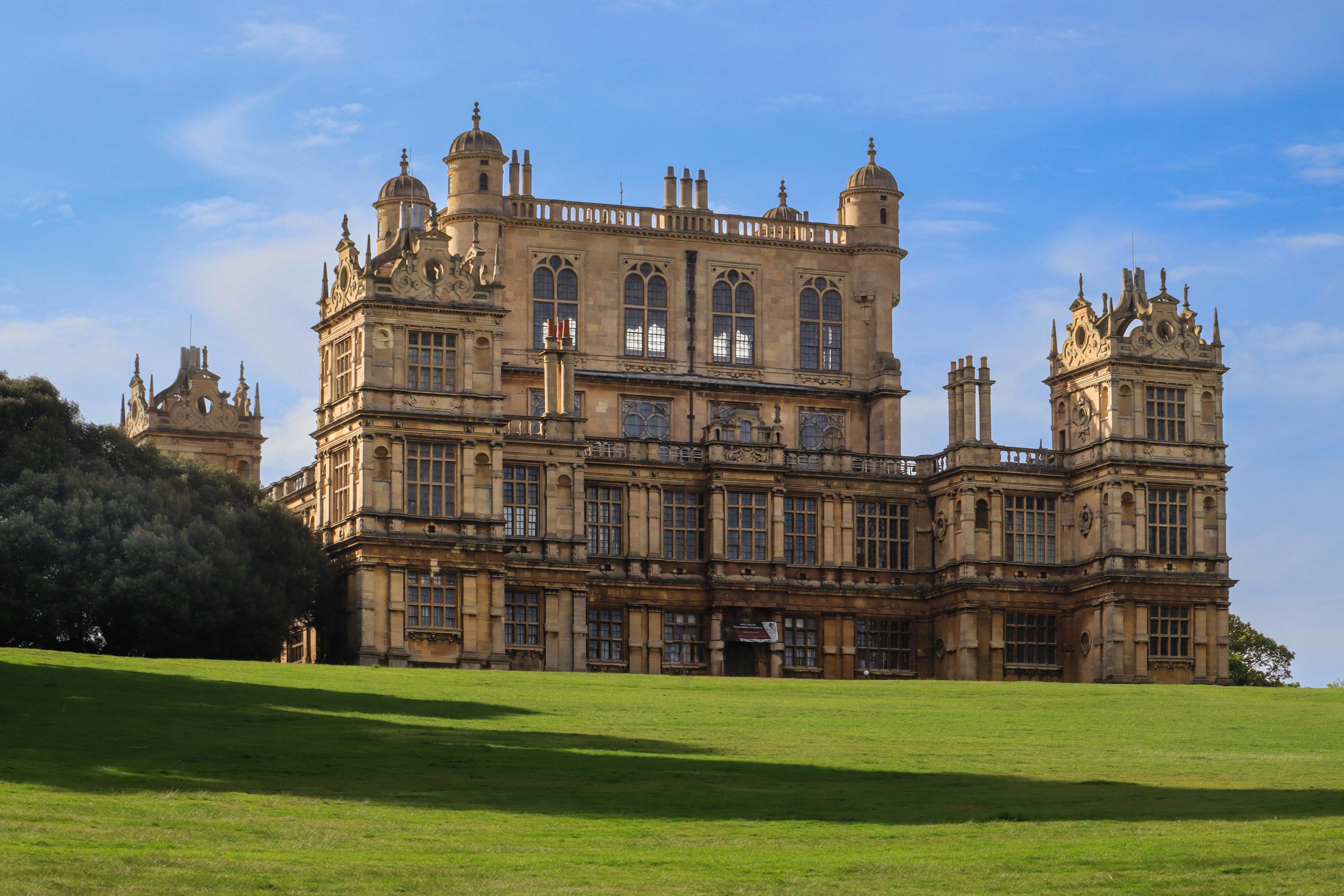 Geographic reach
An integrated cluster within a 60-minute geography.
The East Midlands forms an integrated cluster across Nottingham, Leicester, Loughborough and Derby. Companies move between discovery research, clinical development, manufacturing and regulatory functions without geographic disruption.
Loughborough sits at the cluster’s logistical centre, midway between Nottingham and Leicester. This proximity removes the coordination costs and time penalties that fragment innovation ecosystems elsewhere.
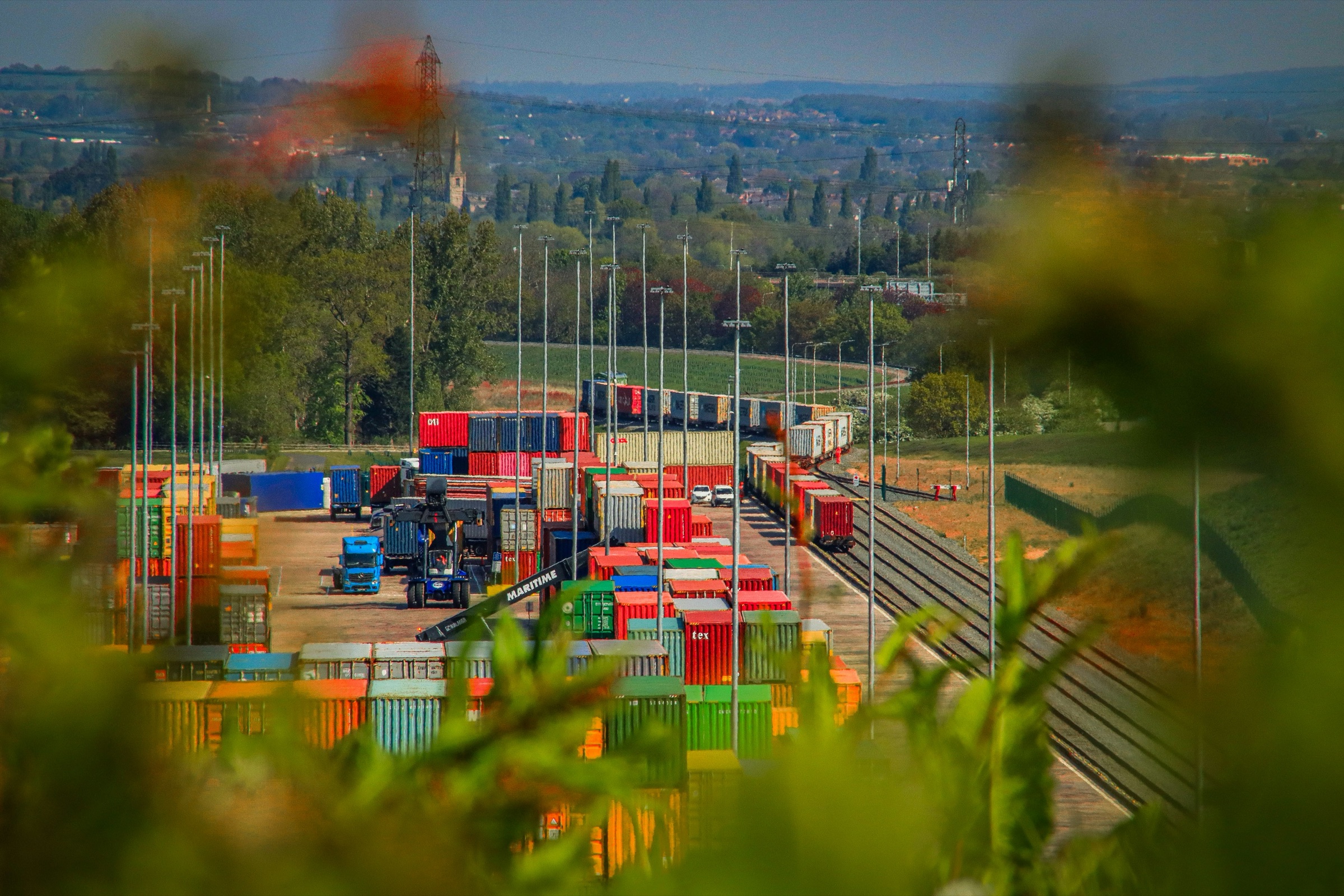 National connectivity
Close to London, Europe and national markets.
London is under two hours by train, enabling regular collaboration with UK policy-makers and capital markets. East Midlands Airport provides direct European access; Birmingham, Manchester and London airports extend options within 90 minutes.
The cluster reaches approximately 90% of the UK population within a four-hour drive, so companies can reach national markets without satellite operations. Diverse patient populations make the region a strong base for clinical trial recruitment, delivering 9.2% of all NIHR-supported enrolments in England in 2024/25.

A competitive place to operate and live.
Laboratory and commercial rents in regional science parks sit materially below equivalent space in Oxford, Cambridge and central London. More accessible housing supports recruiting and keeping scientific and technical professionals.
of the UK population is within four hours of the cluster.
lower housing costs than London.
lower housing costs than the South East.
 Quality of life
University cities, the Peak District and the National Forest.
University cities, the Peak District and the National Forest add a strong quality-of-life offer.
A senior scientist relocating here can buy a family home within reach of their laboratory. For employers retaining experienced technical staff across a career, that matters more than salary can compensate for.